
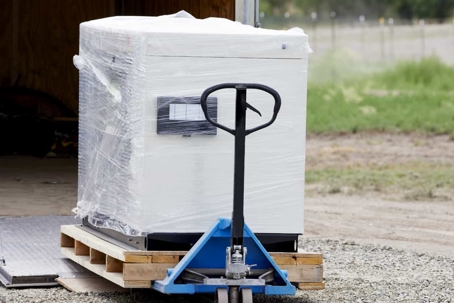
Living in Central Kentucky means being prepared for unpredictable weather that can knock out power for hours or even days. A standby generator is one of the most effective ways to ensure your home remains functional during these outages. However, since this is a major home upgrade involving both electricity and fuel, many homeowners are curious about what actually happens on installation day. Understanding the process helps you prepare your property and gives you confidence that the job is being handled with safety as the top priority.
Preparing the Site and Placing the Unit
The first step in the process involves choosing the right location for the generator. This isn't just about where it looks best; it is about following strict safety codes to ensure proper ventilation and accessibility. The installation team will look for a level area close to your electric meter and your natural gas or propane supply. Once a spot is chosen, a sturdy base—usually a pre-cast concrete pad or a bed of pea gravel—is prepared to support the weight of the unit and keep it out of standing water.
After the site is ready, the unit is carefully positioned on the pad and secured. Proper placement is vital for a few specific reasons:
- Maintaining a safe distance from windows, doors, and vents to prevent exhaust fumes from entering the living space.
- Ensuring there is enough clearance for technicians to perform future maintenance and repairs.
- Checking that the unit is far enough from combustible materials like wooden siding or shrubs.
Once the physical unit is in place, the focus shifts to connecting the energy sources that will make it run.
Connecting Fuel Lines and Electrical Components
A standby generator requires a steady source of fuel, typically natural gas or liquid propane. A technician will run a line from your home's main fuel supply to the generator, ensuring all connections are airtight and meet local plumbing and gas codes. This is what allows the generator to start automatically without you ever having to worry about filling a gas tank in the middle of a storm.
On the electrical side, the most critical component is the transfer switch. This device is installed near your main electrical panel and acts as a gateway between the utility grid and your backup power. During an outage, the transfer switch safely disconnects your home from the power lines and connects it to the generator. This prevents "backfeeding," which is a dangerous situation where your generator sends electricity back into the street, potentially hurting utility workers who are trying to fix the lines.
Testing and System Commissioning
The final phase of a professional installation is the startup and testing. This is where the technician simulates a power outage by temporarily turning off the main utility breaker. You will get to see the system in action as it senses the loss of power, starts the engine, and begins feeding electricity to your home’s circuits. This test ensures that every connection is secure and that the system is properly "sizing the load" to handle your appliances.
Before the team leaves, they will walk you through the basic operation and explain the maintenance schedule. It is important to know that most standby generators perform a weekly "exercise" cycle where they run for a few minutes just to keep the battery charged and the engine lubricated. This short run ensures that when a real emergency hits, the system is primed and ready to go.
Securing Your Home’s Power Infrastructure
Investing in a backup power system is about building a more resilient home that can withstand the elements. By following a structured installation process, you ensure that the equipment operates at peak efficiency while protecting your family from the hazards of improper wiring or ventilation. Doing the job right the first time prevents future technical headaches and ensures that your home transitions to backup power seamlessly the moment the grid fails.
At Fayette Electrical Service, we specialize in the professional installation and maintenance of residential generators to keep your property running through any storm. Our team manages the technical complexity of the energy transition, providing expert services like electrical panel upgrades and the installation of a proper transfer switch. We focus on the precision required for power services to ensure your backup system is perfectly suited to your home's specific electrical needs.
Don't wait for the next storm to find out you aren't prepared. Reach out to the trusted pros at Fayette Electrical Service to secure your home’s energy future with a professional installation. Call us at (859) 695-2259 or connect with us online.