You notice the lights dip when the air conditioner starts, or you hear a faint buzzing coming from the breaker box. Nothing has stopped working, but something doesn't seem quite right. It's easy to wonder whether it's just an older home showing its age or a sign of a bigger electrical issue.
Not every electrical quirk means you need to replace your panel. In many cases, the fix is much simpler. Still, some warning signs shouldn't be ignored because they can point to an overloaded or outdated electrical system.
Homeowners in Central Kentucky are using more electricity than ever before. Between larger HVAC systems, home offices, electric vehicles, smart home technology, and modern appliances, many older electrical panels are being asked to do far more than they were originally designed for.
If you've been questioning whether your panel can still keep up, here's what to watch for and when it's worth having an electrician take a closer look.
What Does an Electrical Panel Do?
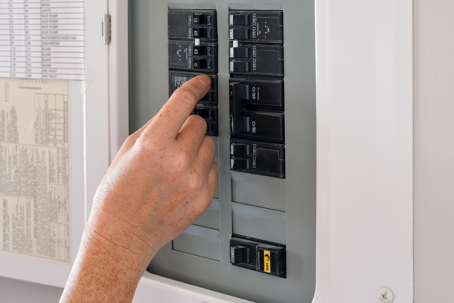
Your electrical panel is the main distribution point for electricity throughout your home. Power enters from the utility company and is divided into individual circuits that supply electricity to lights, outlets, appliances, HVAC equipment, and other electrical devices.
Each breaker protects its circuit by shutting off power whenever it detects an overload or short circuit. That simple action helps prevent damaged wiring and reduces the risk of electrical fires.
The panel also has a maximum service capacity, typically:
- 60 amps
- 100 amps
- 150 amps
- 200 amps
Many homes built several decades ago were designed around 60- or 100-amp service because households simply didn't use as much electricity. Today, it's common for one home to have multiple televisions, computers, kitchen appliances, electric dryers, large HVAC systems, and even EV chargers running throughout the day.
If your electrical demands have grown while your panel has stayed the same, it may be approaching its limits.
Signs Your Electrical Panel May Need an Upgrade
Some warning signs are obvious. Others develop gradually over time. Recognizing the difference can help you decide whether it's time to schedule an inspection.
Your Breakers Trip Frequently
Circuit breakers are designed to trip occasionally. That's how they protect your home's wiring.
However, frequent breaker trips during normal daily activities often indicate the electrical system is struggling to handle the load.
For example, if running the microwave and dishwasher together consistently trips a breaker, or your air conditioner causes power to shut off every summer afternoon, your panel may no longer have enough capacity for your household's electrical needs.
Repeated breaker trips shouldn't simply become part of your routine.
Lights Flicker or Dim
A brief flicker when a large appliance starts isn't always unusual.
But if lights throughout the house regularly dim when your HVAC system starts, your clothes dryer runs, or another major appliance cycles on, your electrical system could be experiencing voltage drops caused by an overloaded panel.
This is especially common in older homes that were never designed for today's electrical demands.
If multiple rooms experience the same issue, it's worth having the system evaluated.
You Still Have a Fuse Box
Although some fuse boxes remain functional, they were designed for homes with much lighter electrical loads than today's households require.
Many insurance companies view fuse boxes as outdated equipment, and replacement parts have become increasingly difficult to find.
If your home still relies on fuses instead of modern circuit breakers, an electrical panel upgrade is often recommended for improved safety, convenience, and compatibility with newer electrical systems.
Your Home Still Has a Federal Pacific or Zinsco Panel
Not all electrical panels age equally.
Federal Pacific Electric (FPE) Stab-Lok panels and Zinsco panels have developed well-documented reputations for breakers that may fail to trip properly during an overload.
When a breaker doesn't trip as designed, wires can continue overheating without shutting off power.
If you discover either of these panel brands in your home, it's a good idea to discuss replacement with a licensed electrician rather than waiting for problems to develop.
You Smell Something Burning
A burning odor near the electrical panel should never be ignored.
The smell may indicate overheated wiring, damaged insulation, or failing breaker connections.
Other warning signs include:
- Scorch marks
- Melted plastic
- Discoloration
- A panel that's warm to the touch
These symptoms require immediate attention.
According to the National Fire Protection Association (NFPA), electrical failures or malfunctions remain one of the leading causes of home fires in the United States, making early action especially important.
The Panel Makes Buzzing or Crackling Sounds
A properly functioning electrical panel should operate quietly.
Occasional clicking when a breaker trips is normal.
Buzzing, humming, sizzling, or crackling noises are not.
These sounds can indicate loose electrical connections or electrical arcing, where electricity jumps through the air instead of following its intended path. Arcing generates intense heat and increases the risk of fire if left unaddressed.
If your panel begins making unusual noises, schedule service promptly instead of waiting for the problem to worsen.
Your Panel Is More Than 25 to 40 Years Old
Electrical panels aren't designed to last forever.
Many manufacturers estimate a practical service life of roughly 25 to 40 years, depending on usage, environmental conditions, and maintenance.
Older panels may still function, but they often:
- have less capacity
- lack newer safety features
- contain worn internal components
- no longer match today's electrical demands
Many homes throughout Winchester, Lexington, and surrounding Central Kentucky communities still have their original electrical panels installed decades ago.
Even if everything appears to work normally, age alone can justify a professional evaluation.
You're Running Out of Breaker Space
Open your panel door—not the breakers themselves—and look at the available breaker positions.
If every slot is already occupied, adding new electrical equipment becomes more difficult.
Sometimes, homeowners or previous contractors work around this by installing double-tapped breakers, where two wires share one breaker terminal that wasn't designed for both.
Crowded panels often signal that the home's electrical needs have outgrown its existing capacity.
When there simply isn't room to add another dedicated circuit, upgrading the panel often becomes the safer long-term solution.
You're Planning Major Home Improvements
Sometimes, nothing is technically wrong with the existing panel.
The issue is that future projects will require much more electrical capacity.
Common upgrades that often prompt panel replacement include:
- Electric vehicle charger installation
- Hot tubs
- Home additions
- Finished basements
- Electric water heaters
- New HVAC systems
- Workshop equipment
- Kitchen remodels
Planning ahead allows your electrical system to support these upgrades without creating future overloads or requiring additional work later.
How to Safely Check Your Electrical Panel
You don't need to remove breakers or touch live electrical components to learn a little about your panel. A simple visual inspection can provide helpful information before you call an electrician.
If you ever notice exposed wiring, signs of damage, or anything that makes you uncomfortable, stop immediately and leave the inspection to a professional.
Check the Main Breaker Rating
Open the panel door—not the panel itself—and locate the large main breaker.
You'll typically see a number such as:
- 60 amps
- 100 amps
- 150 amps
- 200 amps
That number tells you how much electrical service your home is designed to handle.
While some smaller homes still operate well on 100-amp service, many modern households benefit from 200-amp service, especially if they use electric heating, larger HVAC systems, or plan to install an EV charger.
Look for Rust or Moisture
Water and electricity should never mix.
As you inspect the panel, look for signs such as:
- Rust
- Water stains
- Corrosion
- White mineral deposits
- Bubbling paint around the panel
Moisture inside or around an electrical panel can damage breakers and electrical connections over time.
If you notice any evidence of water intrusion, schedule an inspection promptly rather than waiting for electrical problems to develop.
Watch for Crowded Wiring
Without touching anything, look at how the breakers are arranged.
A panel that's packed with tandem breakers or has wires squeezed into every available space may indicate that previous electrical additions have pushed the panel close to its capacity.
While every full panel doesn't automatically require replacement, overcrowding is often one clue that the electrical system has expanded beyond what the original panel was intended to support.
When an Upgrade Makes Sense Even Without Problems
Many homeowners don't replace their electrical panel because it's failing.
They replace it because their home is changing.
Adding modern electrical equipment often requires more power than older panels were designed to provide.
Installing an EV Charger
Electric vehicles are becoming increasingly common throughout Central Kentucky.
A Level 2 home charger typically requires its own dedicated 240-volt circuit and can draw between 30 and 50 amps.
For homes with older 100-amp service, adding an EV charger may push the electrical system beyond its available capacity.
Before installing a charger, it's smart to have an electrician perform a load calculation to determine whether your existing panel can safely support the additional demand.
Upgrading Your HVAC System
Replacing an older heating and cooling system with a newer, more efficient unit can sometimes increase electrical requirements.
While every installation is different, newer equipment often requires dedicated circuits or updated electrical components.
Checking your panel before installation helps avoid delays once the HVAC project begins.
Home Additions and Remodels
Finished basements, room additions, kitchen remodels, and detached garages all increase your home's electrical needs.
New lighting, outlets, appliances, and dedicated circuits can quickly fill an older panel.
Rather than squeezing additional circuits into an already crowded breaker box, many homeowners choose to upgrade the panel as part of the renovation.
Doing both projects together is often more efficient than upgrading the panel after construction is complete.
Hot Tubs, Workshops, and Other High-Power Equipment
Large electrical loads aren't limited to home additions.
Equipment that commonly requires dedicated circuits includes:
- Hot tubs
- Pool equipment
- Air compressors
- Welders
- Large woodworking tools
- Electric tankless water heaters
Planning ahead allows your electrical system to support these additions safely without overloading existing circuits.
What Happens During an Electrical Panel Upgrade?
Many homeowners imagine a panel replacement as an overwhelming project.
In reality, the process is straightforward when performed by a licensed electrician.
Although every home is different, most panel upgrades follow a similar sequence.
Step 1: Evaluate Your Electrical Needs
Before recommending a new panel, the electrician performs a load calculation.
This assessment considers:
- Existing appliances
- Heating and cooling equipment
- Kitchen appliances
- Lighting
- Future additions like EV chargers or home additions
The goal isn't simply to install the largest panel available.
Instead, it's about selecting a panel that comfortably supports your home's current and future electrical needs.
Step 2: Coordinate Utility Service
If the upgrade includes increasing your home's electrical service, the utility company may temporarily disconnect power while the new equipment is installed.
This coordination helps ensure everyone can work safely throughout the replacement process.
Most homeowners experience only a temporary power interruption during installation.
Step 3: Install the New Panel
Once power is disconnected, the old panel is removed and replaced with the new equipment.
Existing circuits are transferred, grounding and bonding are updated as needed, and any new circuits are added.
Each breaker is carefully labeled so homeowners know exactly what every circuit controls.
Proper labeling also makes future troubleshooting much easier.
Step 4: Inspection and Testing
After installation, the electrician restores power and tests each circuit to verify everything is functioning correctly.
Where required, the work is inspected to confirm it meets current electrical code requirements.
Permits and inspections help ensure the installation is both safe and properly documented for future homeowners and insurance purposes.
A Quick Note About Electrical Panel Tax Credits
You may come across older articles mentioning federal tax credits for electrical panel upgrades.
Be sure to check the publication date before relying on that information.
Some incentives that were available in previous years have since expired or changed, while utility rebates and local incentive programs can vary over time.
If financial incentives are an important part of your decision, it's worth checking current programs before beginning your project.
Is It Time to Have Your Panel Evaluated?
Electrical panels rarely stop working overnight.
More often, they give homeowners small clues that they're struggling to keep up—frequent breaker trips, flickering lights, limited breaker space, or an aging panel that wasn't designed for today's electrical demands.
An inspection can help determine whether your panel simply needs a repair, has room for future upgrades, or has reached the point where replacement is the safer and more practical option.
If you've noticed any of these warning signs or you're planning an electrical upgrade for your home, Fayette Electrical Service can evaluate your electrical system and recommend the solution that fits your needs. Since 1977, they've helped homeowners throughout Central Kentucky with electrical panel upgrades, electrical service upgrades, and residential electrical services.
Have questions about your panel or planning a future project? Call (859) 695-2259 and schedule your electrical panel evaluation today.